How to prevent scams: a practical guide for businesses and professionals
From suspicious invoices to phishing emails, scams are becoming more sophisticated. Here’s how businesses in Cyprus and beyond can stay one step ahead.
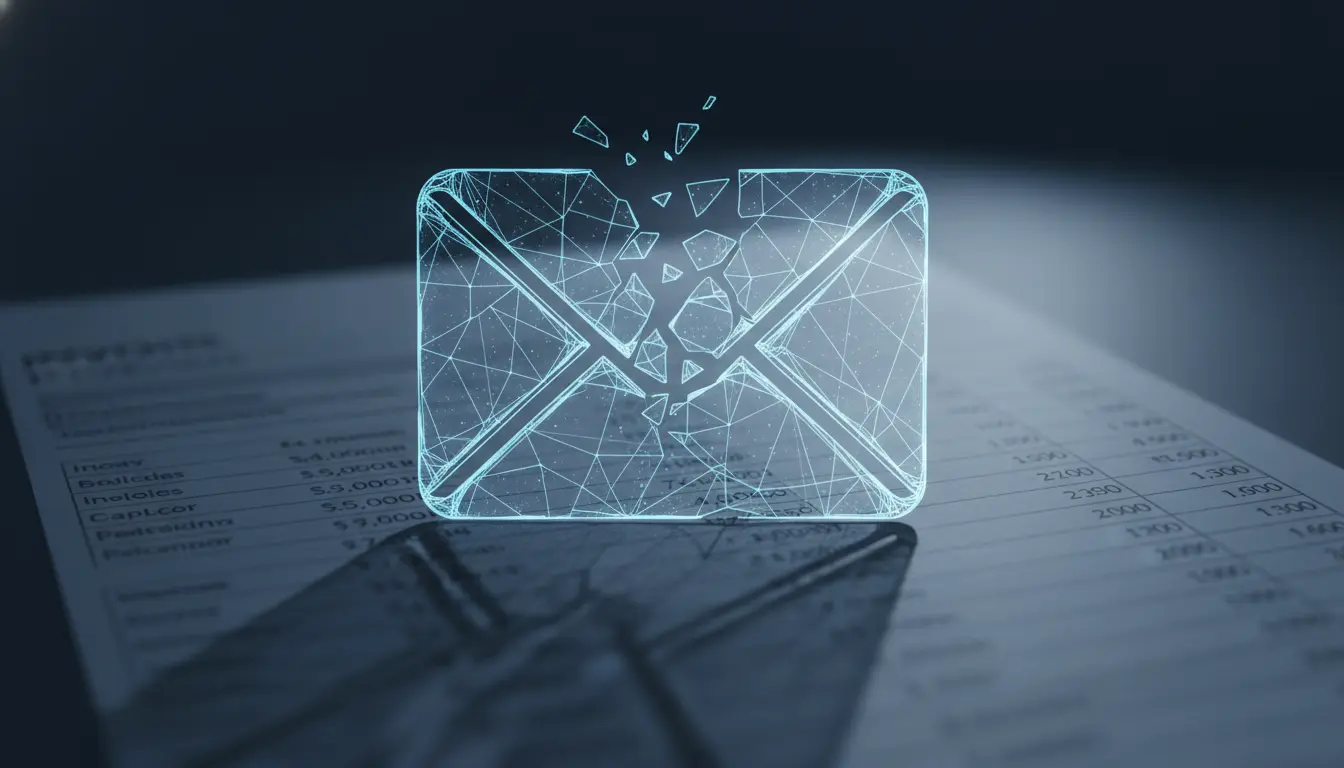
Digital communication has revolutionised the way we do business — but it has also opened the door to increasingly sophisticated scams targeting companies of all sizes. Whether it’s a fake invoice, a fraudulent bank request, or a phishing email impersonating a trusted partner, scams can cause significant financial and reputational damage.
Common types of scams targeting businesses
Understanding the tactics scammers use is the first step to prevention. Some of the most common schemes include:
- Phishing emails: Messages disguised as official communication from banks, suppliers, or government authorities asking for sensitive information or urging immediate action.
- Fake invoices: Invoices that appear legitimate but are for goods or services never ordered or received.
- Business email compromise (BEC): Criminals hack or spoof a company email account to trick employees into transferring funds or sharing confidential data.
- Impersonation scams: Fraudsters pose as CEOs or finance directors requesting urgent payments or wire transfers.
How to detect scam emails
Scam emails often mimic the tone and branding of real organisations. Look for these red flags:
- Urgency or threats: Messages demanding “immediate payment” or threatening legal action.
- Unusual sender addresses: Email addresses that are similar to — but not the same as — your known contacts.
- Generic greetings: “Dear customer” instead of your name or title.
- Spelling and grammar errors: Many scam emails originate from non-native speakers.
- Suspicious links or attachments: Always hover over links to check the destination before clicking.
How to verify invoices
Fake invoices are a common method of fraud, especially in busy accounting departments. Follow these steps to verify legitimacy:
- Cross-check vendor details: Ensure that the supplier name, address, and bank details match your records.
- Contact the supplier directly: Use known contact numbers or emails — not those listed on the invoice — to confirm authenticity.
- Watch for inconsistencies: Unexpected changes in invoice formatting, payment terms, or amounts are red flags.
- Train your team: Equip staff with procedures for validating invoices before processing any payments.
Best practices to protect your business
Prevention is a team effort. Here’s how to build a fraud-resistant culture:
- Implement internal controls: Use multi-person approval processes for payments and access to sensitive systems.
- Educate your employees: Regular training on fraud awareness is essential — especially for finance and admin teams.
- Use secure communication tools: Avoid sending sensitive information over unsecured or personal email accounts.
- Stay updated: Follow alerts from the Cyprus police, EU regulatory bodies, and your bank regarding new scam tactics.
Scams are constantly evolving, but with vigilance, education, and strong internal processes, businesses in Cyprus and across the EU can significantly reduce their risk. If you’re unsure about a suspicious document or communication, consult your accountant, legal advisor, or IT security provider before taking action.